Water Quality Sensors
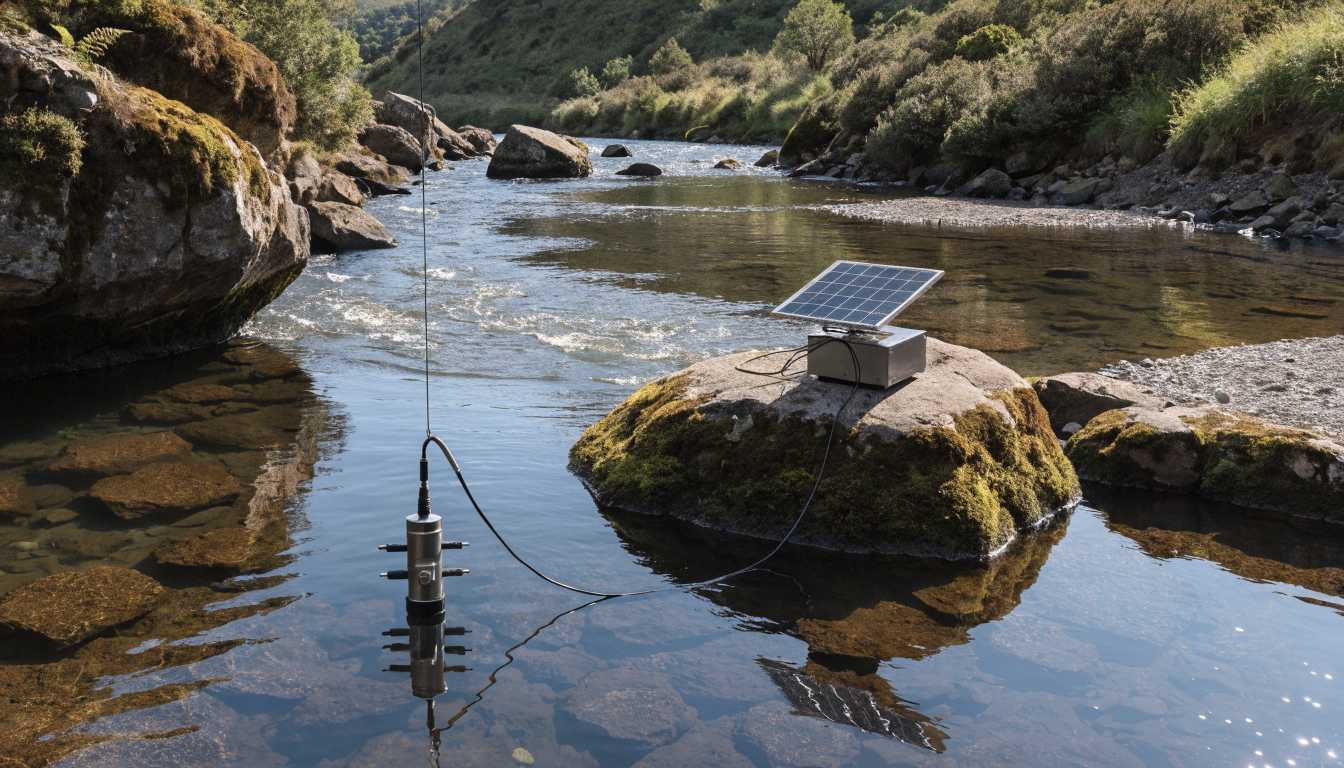
Water quality sensors measure physical, chemical and biological parameters in water, such as pH, conductivity, turbidity, dissolved oxygen and chemical oxygen demand (COD), and output the data as an electrical or digital signal. MetSensor UK is a UK supplier of the our manufacturing partner range, supplying single-parameter probes and multi-parameter meters for surface water, groundwater, tap water and process monitoring applications.
Products in this category
Compare all 14 water quality probes →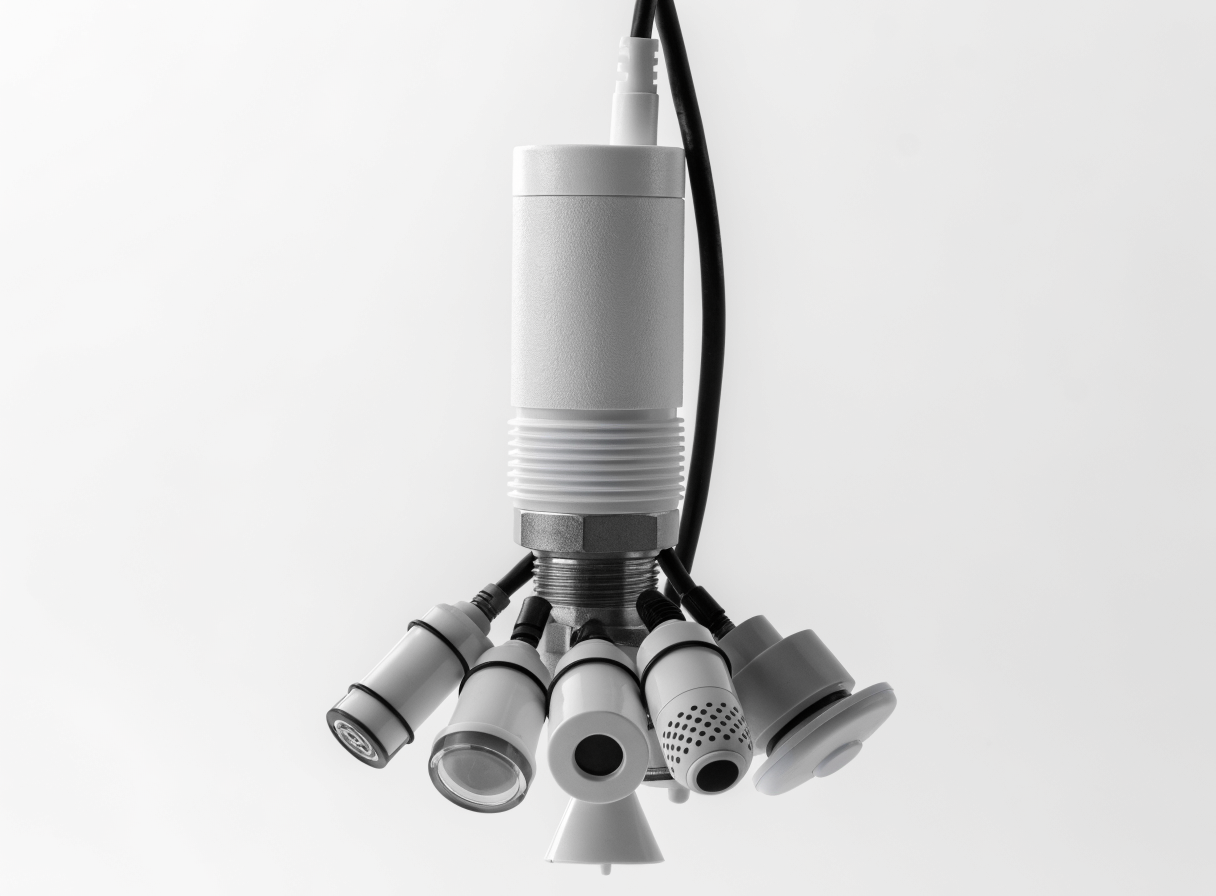
Multi-Parameter Water Quality Meter
ZWQ500
The ZWQ500 is a combined probe that measures temperature, pH, conductivity, dissolved oxygen and turbidity from a single housing, with COD, chlorophyll or cyanobacteria available as factory options. It is designed for long-term unattended deployment in surface water or groundwater and reports data over RS485 Modbus RTU, with RS232, WiFi, Bluetooth or LTE also supported. MetSensor UK supplies the ZWQ500 as the official UK supplier of professional environmental monitoring sensors.
Conductivity Sensor
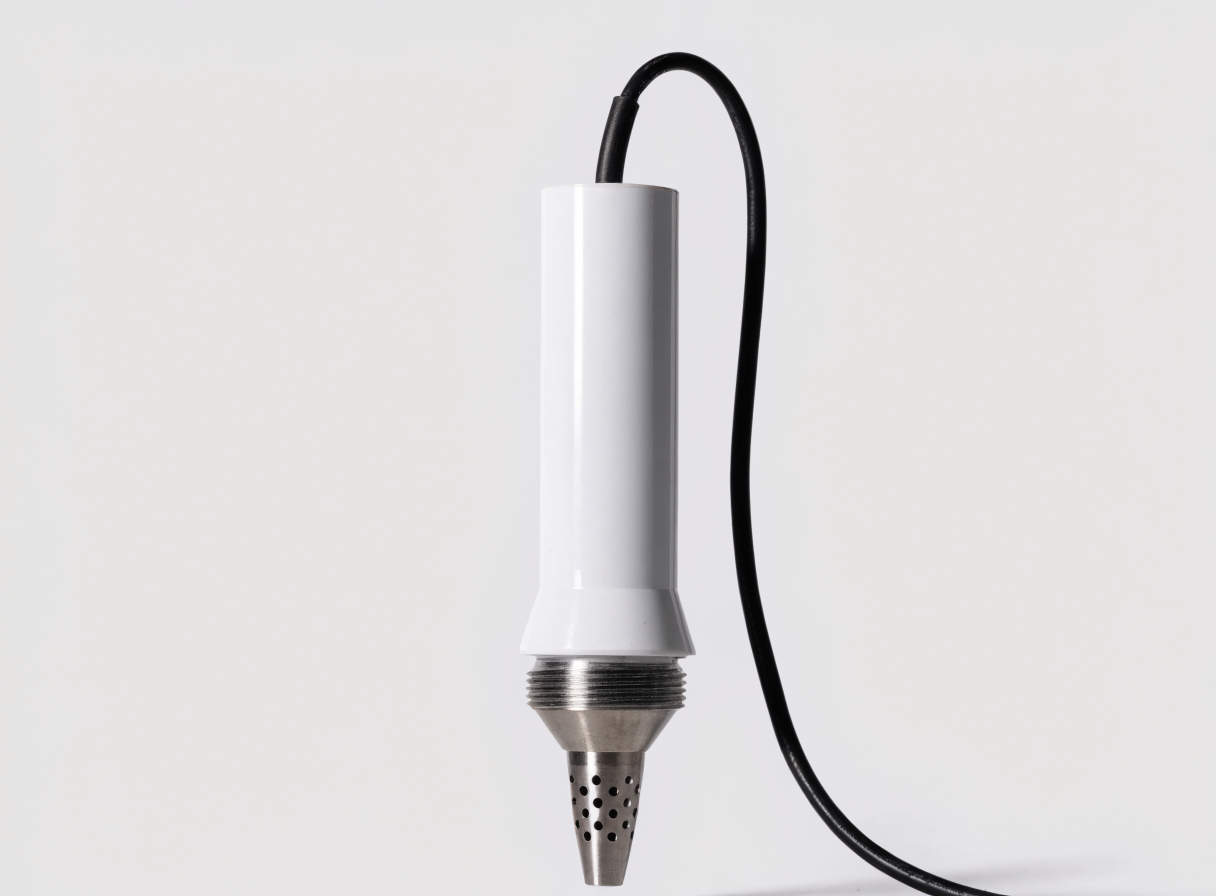
ZWQ-CND1
The ZWQ-CND1 measures electrical conductivity in water using a quadrupole graphite electrode, covering 0-200,000 μS/cm with ±1% accuracy. It responds in under 15 seconds and outputs readings over RS485 Modbus RTU. MetSensor UK supplies the ZWQ-CND1 in the UK as part of the our manufacturing partner sensor range.
pH Electrode Sensor
ZWQ-PH1
The ZWQ-PH1 measures pH from 0-14 using a glass electrode with ±0.1 pH accuracy and a built-in PT1000 temperature sensor for compensation. It responds in under 15 seconds and communicates over RS485 Modbus RTU. MetSensor UK supplies the ZWQ-PH1 in the UK as part of the our manufacturing partner sensor range.
Turbidity Sensor
ZWQ-TUB1
The ZWQ-TUB1 measures water turbidity from 0-1000 NTU using optical scattering with an 850 nm infrared LED light source. It has a self-cleaning function and a titanium alloy body with a sapphire optical fibre, and communicates over RS485 Modbus RTU. MetSensor UK supplies the ZWQ-TUB1 in the UK as part of the our manufacturing partner sensor range.
COD Sensor
ZWQ-COD1
The ZWQ-COD1 measures chemical oxygen demand (COD) from 0-500 mg/L and turbidity from 0-500 NTU using double-beam ultraviolet absorption, with ±7% accuracy. It has a self-cleaning function and a 316L stainless steel shell, and reports over RS485 Modbus RTU. MetSensor UK supplies the ZWQ-COD1 in the UK as part of the our manufacturing partner sensor range.
Ammonia Nitrogen Sensor
ZWQ-INH1
The ZWQ-INH1 measures ammonia nitrogen concentration from 0-1000 mg/L using an ion-selective electrode, with accuracy of 10% of reading or 0.1 mg/L, whichever applies. It includes a built-in PT1000 temperature sensor for compensation and reports over RS485 Modbus RTU. MetSensor UK supplies the ZWQ-INH1 in the UK as part of the our manufacturing partner sensor range.
Water Transparency Sensor
ZWQ-TP1
The ZWQ-TP1 measures water transparency from 2-1000 cm using near infrared absorption spectrometry, with ±5% accuracy and automatic range switching based on water body type. It has a self-cleaning function and a 316L stainless steel shell, and reports over RS485 Modbus RTU. MetSensor UK supplies the ZWQ-TP1 in the UK as part of the our manufacturing partner sensor range.
ORP Electrode Sensor
ZWQ-ORP1
The ZWQ-ORP1 measures oxidation-reduction potential (ORP) from -2000 to 2000 mV with ±1 mV accuracy, using a glass electrode with a 99.9% platinum sensing element and a double salt bridge design. It responds in under 15 seconds and communicates over RS485 Modbus RTU. MetSensor UK supplies the ZWQ-ORP1 in the UK as part of the our manufacturing partner sensor range.
Fluoride Sensor
ZWQ-IF1
The ZWQ-IF1 measures fluoride concentration from 0-1000 mg/L with ±5% accuracy using an ion-selective electrode. It is housed in a POM body with a 3-metre cable and communicates over RS485 Modbus RTU. MetSensor UK supplies the ZWQ-IF1 in the UK as part of the our manufacturing partner sensor range.
Chloride Sensor
ZWQ-ICL
The ZWQ-ICL measures chloride concentration from 0-10,000 mg/L with ±10% accuracy using an ion-selective electrode. It includes a built-in PT1000 temperature sensor for compensation and communicates over RS485 Modbus RTU. MetSensor UK supplies the ZWQ-ICL in the UK as part of the our manufacturing partner sensor range.
Chlorophyll Sensor
ZWQ-CHL1
The ZWQ-CHL1 measures chlorophyll concentration from 0-500 µg with ±5% accuracy using optical fluorescence, and can also detect rhodamine as a secondary measurement. It has a removable self-cleaning brush and a 316L stainless steel shell, and reports over RS485 Modbus RTU. MetSensor UK supplies the ZWQ-CHL1 in the UK as part of the our manufacturing partner sensor range.
Residual Chlorine Sensor
ZWQ-CT1
The ZWQ-CT1 measures residual chlorine from 0-2 mg/L with ±1% accuracy using a Clark-type amperometric electrode. It requires a continuous sample flow of 250-500 mL/min and operates within a pH range of 4-9, and is intended for tap water, secondary water supply and swimming pool applications. MetSensor UK supplies the ZWQ-CT1 in the UK as part of the our manufacturing partner sensor range.
Blue Green Algae Sensor
ZWQ-BGA1
The ZWQ-BGA1 measures blue-green algae (cyanobacteria) concentration from 0-2000 Kcells/mL with ±5% accuracy using optical fluorescence. It has a self-cleaning brush and a 316L stainless steel shell, and reports over RS485 Modbus RTU. MetSensor UK supplies the ZWQ-BGA1 in the UK as part of the our manufacturing partner sensor range.
Dissolved Oxygen Sensor
ZWQ-DO1
The ZWQ-DO1 measures dissolved oxygen from 0-20 mg/L with ±0.1 mg/L accuracy using a fluorescence measurement principle that needs no initial calibration and no electrolyte. It responds in under 45 seconds and communicates over RS485 Modbus RTU. MetSensor UK supplies the ZWQ-DO1 in the UK as part of the our manufacturing partner sensor range.
Nitrate Sensor
ZWQ-INO
The ZWQ-INO measures nitrate concentration using a silver/silver chloride wire electrode with a custom filling solution and a polymer membrane selective to nitrate ions. The manufacturer's published data for this model does not include a specific quantitative range, accuracy or resolution table, so figures should be confirmed with MetSensor UK before specifying it for a project. MetSensor UK supplies the ZWQ-INO in the UK as part of the our manufacturing partner sensor range.
What water quality sensors measure
A water quality sensor converts a physical or chemical property of water into a signal that a data logger, controller or telemetry system can read. The our manufacturing partner range covers twelve measurement categories: multi-element (combined) probes, conductivity, pH, turbidity, COD, ammonia nitrogen, transparency, ORP (oxidation-reduction potential), fluoride, chloride, chlorophyll and residual chlorine. Each sensor targets one or more of these parameters and reports the reading over an RS485 Modbus RTU interface, which is the standard protocol used across the range so that different sensor types can share a single data logger or SCADA input.
How the measurement technology works
the manufacturer sensors use four main measuring principles, and which one applies depends on the parameter.
Electrode-based sensors, used for pH, conductivity, ORP, ammonia nitrogen, fluoride and chloride, place a sensing element in direct contact with the water. pH and ORP sensors use a glass electrode. Conductivity uses a quadrupole graphite electrode. Ammonia, fluoride and chloride sensors use ion-selective electrodes that respond to a specific ion concentration. Most electrode sensors in the range are housed in POM (polyoxymethylene) plastic bodies with a 3-metre cable and an NPT 3/4 thread for installation.
Optical sensors, used for turbidity, chlorophyll, blue-green algae (cyanobacteria) and water transparency, shine light into the water and measure how much is scattered, absorbed or fluoresced back. Turbidity sensors (model ZWQ-TUB1) use infrared LED scattering through a sapphire optical fibre. Chlorophyll and blue-green algae sensors use fluorescence, exciting pigments in algae and measuring the light they emit. COD and transparency sensors use ultraviolet or near-infrared absorption spectrometry, where the amount of light absorbed as it passes through the water sample correlates with organic content or clarity.
Fluorescence-based dissolved oxygen sensors measure the quenching of a fluorescent coating by oxygen molecules, which removes the need for the electrolyte and membrane replacement required by older Clark-cell designs.
The residual chlorine sensor (ZWQ-CT1) is the exception in the range: it uses a Clark-type amperometric electrode which requires a continuous flow of sample water (250-500 mL/min) and constrains the pH (4-9) and conductivity (10-50,000 µS/cm) of the sample for accurate readings.
Key specs to compare before buying
Four figures matter most when comparing sensors within a category.
Measurement range tells you whether the sensor covers your expected concentration. For example, the conductivity sensor (ZWQ-CND1) covers 0-200,000 μS/cm, while the residual chlorine sensor (ZWQ-CT1) only covers 0-2 mg/L, reflecting the very different concentration scales these two parameters occupy in real water samples.
Accuracy and resolution determine how precise the reading is. Accuracy is usually expressed as a percentage of reading (for example ±1% for conductivity) or as an absolute figure (±0.1 pH for the pH sensor). Resolution is the smallest change the sensor can detect, such as 0.01 μS/cm for conductivity or 0.001 mg/L for residual chlorine.
Response time matters for process control applications where readings need to update quickly. Most electrode sensors in the range respond in under 15 seconds; the dissolved oxygen sensor takes under 45 seconds because fluorescence quenching is inherently slower than a direct electrode reaction.
Materials and self-cleaning affect maintenance. Sensors exposed to fouling risk, such as turbidity, COD, chlorophyll, blue-green algae and transparency sensors, include a self-cleaning wiper or brush and use 316L stainless steel or titanium alloy housings for durability in continuous deployment. Electrode-only sensors (pH, conductivity, ammonia, fluoride, chloride, ORP) use POM housings, which are lighter and adequate for probes that are not mechanically wiped.
Typical applications and industries
Surface water and groundwater monitoring account for most of the applications listed across the range, covering rivers, lakes, reservoirs and boreholes. The multi-parameter meter (ZWQ500) and individual probes are also specified for long-term unattended online stations, on-site rapid testing during fieldwork, and emergency response monitoring after a pollution incident. The residual chlorine sensor is the exception, targeting tap water, secondary water supply systems and swimming pools rather than open water bodies. Many unattended monitoring stations combine these probes with weather sensors and air quality sensors at the same site to build a fuller environmental picture.
How to choose between models in this category
Start from the parameter you need to measure, not the sensor type. If you need several parameters at one site, the ZWQ500 multi-parameter meter combines temperature, pH, conductivity, dissolved oxygen and turbidity in a single probe body, with COD, chlorophyll or cyanobacteria available as factory options, which reduces the number of individual sensor points and cables at an installation.
If you only need one parameter, or need a wider range or better accuracy than the multi-parameter unit provides for that specific parameter, a dedicated single-parameter sensor is usually the better fit. For example, the standalone turbidity sensor (ZWQ-TUB1) is rated to 1000 NTU against the ZWQ500's shared turbidity channel rated to 4000 NTU, so the right choice depends on which unit's full specification matches your site's expected range.
Check the operating environment figures too. Most probes are rated DC 12V or 24V power and connect via RS485 Modbus RTU, but confirm cable length (3 metres is standard across the range), thread size (NPT 3/4 on most models) and whether your logger or PLC already supports Modbus RTU polling.
Buying through MetSensor UK
MetSensor UK is the UK supplier for the our manufacturing partner sensor range described on this page; we do not manufacture these sensors. Pricing is quote-based because installation thread, cable length, power supply and communication protocol options vary by project, so contact us with your parameter list and site requirements and we will confirm current lead times and configuration options. Support, technical queries and after-sales contact are handled from the UK.
Frequently asked questions
What is the difference between a single-parameter sensor and a multi-parameter meter?+
A single-parameter sensor, such as the ZWQ-PH1 pH electrode, measures one property only. A multi-parameter meter, such as the ZWQ500, combines several sensing elements (temperature, pH, conductivity, dissolved oxygen, turbidity, with COD, chlorophyll or cyanobacteria as options) in one probe body connected through a single cable.
What communication protocol do these water quality sensors use?+
All sensors in the our manufacturing partner water quality range communicate over RS485 using the Modbus RTU protocol. The ZWQ500 multi-parameter meter additionally supports RS232, WiFi, Bluetooth and optional LTE.
Do these sensors need regular calibration?+
This depends on the sensor. The dissolved oxygen sensor (ZWQ-DO1) uses fluorescence measurement and does not need initial calibration or electrolyte replacement. Electrode-based sensors such as pH, ORP, ammonia, fluoride and chloride use ion-selective or glass electrodes, which typically need periodic calibration as part of routine maintenance.
Which sensors have self-cleaning functions?+
The turbidity (ZWQ-TUB1), COD (ZWQ-COD1), transparency (ZWQ-TP1), chlorophyll (ZWQ-CHL1) and blue-green algae (ZWQ-BGA1) sensors all include a self-cleaning function, either a brush or automatic wiper, because their optical windows are prone to biofouling in continuous deployment.
What power supply do the sensors require?+
Most sensors in the range run on DC 12V or 24V. The ZWQ500 multi-parameter meter also supports solar power. The residual chlorine sensor (ZWQ-CT1) and turbidity sensor (ZWQ-TUB1) have slightly different supply specifications, so check the individual product page before ordering.
Can I use these sensors in a swimming pool?+
The residual chlorine sensor (ZWQ-CT1) is specifically listed for tap water, secondary water supply and swimming pool applications. It requires a continuous sample flow of 250-500 mL/min and operates within a pH range of 4-9.
How is MetSensor UK related to our manufacturing partner?+
MetSensor UK is an independent UK supplier of professional environmental monitoring sensors. We do not manufacture the products; we supply, quote and support them for customers in the UK.
How do I get a price for a specific sensor?+
Pricing is quote-based because configuration options (cable length, thread type, communication protocol, power supply) vary by installation. Contact MetSensor UK with the model number and your site requirements for a quote.